
Blancpain

Blancpain Villeret Grande Date Jour Rétrograde 6668-1127-55B
$12,000.00

Blancpain Bathyscaphe 5000-0130-B52A
$11,800.00

Blancpain Fifty Fathoms Automatique 5015 12B30 98B
$16,900.00

Blancpain Bathyscaphe 5000 1110 B52A
$9,300.00

Blancpain Bathyscaphe 5000-1210-G52A
$12,500.00

Blancpain Fifty Fathoms Automatique 5015 12B40 O52A
$14,500.00

Blancpain Fifty Fathoms Bathyscaphe 5100-1140-O52A
$9,800.00

Blancpain Villeret Women Date 6127-2987-MMB
$22,995.00

Blancpain Fifty Fathoms Grande Date 5050-12B30-B52A
$13,172.50

Blancpain Bathyscaphe 5000-36S30-B52A
$21,000.00

Blancpain Villeret Demi-Fuseau Horaire Demi-Savonnette 6665-3642-55B
$21,995.00
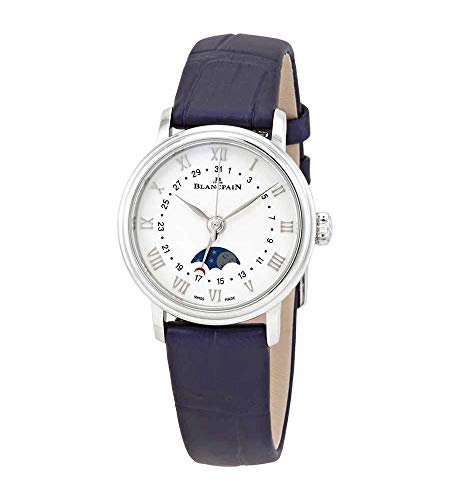
Blancpain Villeret Quantième Phases De Lune 6106-1127-55A
$9,980.00

Blancpain Villeret Ultraplate 6653Q-1127-55B
$10,900.00

Blancpain Fifty Fathoms Automatique 5015-1130-52A
$13,800.00

Blancpain L-Evolution Phase De Lune 8 Jours 8866-3630-53B
$26,500.00

Blancpain Villeret Tourbillon Volant Une Minute 12 Jours 66240-3631-55B
$131,986.40

Blancpain Villeret Quantième Complet 6654-3640-55B
$36,000.00

Blancpain Fifty Fathoms Automatique 5015 12B40 98B
$16,900.00

Blancpain Bathyscaphe Chronographe Flyback 5200-0130-B52A
$16,500.00

Blancpain Fifty Fathoms Bathyscaphe 5100-1127-W52A
$8,970.00

Blancpain Villeret Quantième Complet 6654-1529-55B
$18,995.00

Blancpain Bathyscaphe 5000-1110-K52A
$9,999.00

Blancpain Bathyscaphe 5000-0240-O52A
$11,500.00

Blancpain Villeret Quantième Complet 8 Jours 6639A-3631-55B
$46,341.40

Blancpain Bathyscaphe Quantième Complet Phases De Lune 5054-1110-B52A
$14,500.00

Blancpain Villeret Ultraplate 6651-3640-55B
$18,900.00

Blancpain Fifty Fathoms Bathyscaphe Day Date 70s 5052-1110-63A
$12,700.00

Blancpain Villeret Women Date 6127-2987-55A
$11,999.00

Blancpain Villeret Ultra-Slim 6223-1127-55
$8,000.00

Blancpain 8 Jours Manuelle 6612-3616-55B
$45,000.00

Blancpain L-Evolution 8841-1134-53B
$24,999.00

Blancpain Ladybird Ultraplate 0063A 2954 63A
$21,756.00